


Join 30,000 Makers
Get 10% off your first order
Be first to see new arrivals and limited fabrics before they sell out.
No spam. Just beautiful fabrics.

A dress is the make most people come back to, which is why it's worth having a pattern that fits the way you want it to. This collection covers dress sewing patterns from independent and well-known brands, spanning easy pull-on shapes, fitted and tailored designs, summer dresses, shirt dresses and occasion wear. Sizes and skill levels vary by pattern, so check the individual listing for its range and difficulty before you buy.
The Eva in sizes XXS-XL is a loose and comfortable dress featuring a high waisted bodice and a panelled, lantern-shaped skirt with side pockets.
The Milenda Dress is a classic pull-on dress that exudes simplicity and timeless elegance.
The Eva in sizes 18-22 is a loose and comfortable dress featuring a high waisted bodice and a panelled, lantern-shaped skirt with side pockets.
The Lois Dress is a vintage-inspired beauty that exudes timeless elegance.
The Fira is a charming pull-on style featuring a front and back yoke, a graceful raised V neckline, & delicate gathers at the front and back.
Mavens bestselling paper pattern due to its incredible versatility as a dress or tunic.
The designer dress features reverse inverted pleats, which bestow it with a distinct and eye-catching shape.
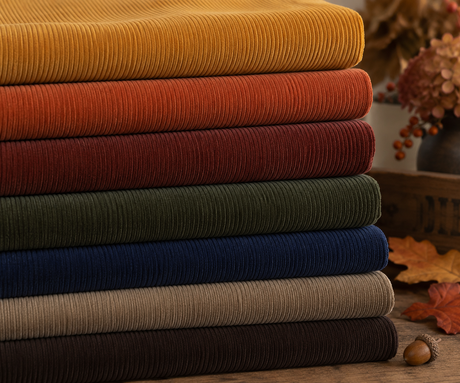
The Sophie Dress is a stylish and flattering garment that features a flared silhouette, a single lapel V-neckline, and a drop waistline.
The Montana dress effortlessly combines comfort and versatility, making it suitable for various occasions.
This pull-on dress is meticulously crafted with extended shoulder sleeves & exaggerated pockets.
The Lily Linen Dress is a perfect blend of style and comfort. Its flared silhouette makes it both flattering and comfortable to wear.
The Fringe pattern offers two different options for a dress or blouse, each with unique features.
The Lily Linen Dress combines style and comfort effortlessly, making it an ideal choice for any occasion.
The Bella is an effortless A-line dress with full-length sleeves, optional pockets, and centre back seam. Dress it up or down for any occasion.
Elodie is a romantic and flowing dress with a variety of skirt and sleeve options, suitable for both a picnic in the park and a special wedding.
Introducing the Mirri jersey dress, a figure-flattering faux wrap dress that embraces your curves.
This midi-length dress features flattering half sleeves with gathered sleeve openings, adding a touch of feminine charm.
The Factory Dress is a retro-style dress with a relaxed fit, pockets, pre-rolled sleeves, and a convenient slip-over-the-head design.
The Kielo dress and jumpsuit patterns offer a chic and comfortable style that you can easily make your own.
With its slight cocoon shape and roll-up sleeves, the Adeline dress effortlessly captures a blend of casual and trendy style.
The Belle dress pattern offers a charming button-through design with sleeves, making it a versatile and stylish choice.
The Jane Dress boasts an A-line silhouette with a chic neckline split and short sleeves.
The Lichen Duster is an incredibly versatile garment that can be worn in a variety of ways, making it a true capsule wardrobe staple.
Introducing the Naomi dress pattern in sizes 18-30, a slip-on dress that combines effortless style with comfort.
There's nothing quite like a generously-sized, menswear-inspired shirt for timeless style, and the Jenna Button-up shirt effortlessly embodies this.
The Romey pattern features a signature keyhole neckline, empire waistline, billowy gathered sleeves, and patch pockets for a functional & chic garment.
The Kaftan Dress pattern is a stylish and versatile Scandinavian interpretation of an iconic dress.
The Felicia Pinafore Dress is a versatile, sleeveless pull-on dress with a gathered skirt and side pockets.
The designer dress in sizes 18-30 features reverse inverted pleats, which bestow it with a distinct and eye-catching shape.
The Protea capsule wardrobe set offers a flexible and comfortable collection of clothing options, suitable for a variety of occasions and activities.
This versatile garment comes in a range of styles with gentle gathering & delicate features, making it both satisfying to create and delightful to wear.
The Montana dress seamlessly merges comfort and versatility, adapting effortlessly to any occasion.
Introducing the Sauvie Sundress, the ultimate go-to strappy summer dress that effortlessly combines comfort, ease, and style.
The Ester shirt sizes 96-116cm chest is designed with a stylish notched collar and features a pleat at the bottom of the neck opening, adding a touch of extra width to the garment.
Charlie is a must-have pattern for summer elegance, offering a fresh take on the classic caftan.
The Wilder Gown is a dress pattern that features a loose and flowing silhouette with tiered skirt details and raglan sleeves.
The Alessi Bias Dress is a pull-on midi dress with a high, rounded neckline and a beautifully fluid silhouette thanks to its bias cut.
The Ellis and Hattie sewing patterns boast subtle neck darts, set-in sleeves, and practical pockets, suitable for a variety of styles.
The Bella is a graceful and flowing A-line dress that features full-length sleeves, optional pockets with stitching detail, and a centre back seam.
Introducing the Naomi dress pattern, a slip-on dress that combines effortless style with comfort.
During Japan's Edo period, the samurai class wore the Kamishimo, consisting of the Kataginu vest & Hakama pants/skirt.
Balka is a kaftan-style dress or blouse with a buttoned placket, gathered sleeves, an elasticated hem, a gathered waist, and convenient side seam pockets.
This square shaped dress features an extended shoulder line, elastic waist, and optional matching belt for a comfortable and fashionable look.
This sewing pattern showcases the sleek, modern allure of a body-hugging, semi-fitted V-neck dress.
Ophelia is the perfect sundress for warm days and balmy nights. It features a fitted bodice with bust darts, wide comfortable shoulder straps, and a neckband.
The Hinterland dress offers a relaxed fit, featuring side bust darts and a gathered skirt, along with optional waist ties.
This expansion pack features multiple bodice, skirt, sleeve, and neckline options for hundreds (yes, hundreds!) of possible dresses.
Get 10% off your first order
Be first to see new arrivals and limited fabrics before they sell out.
No spam. Just beautiful fabrics.


