


Join 30,000 Makers
Get 10% off your first order
Be first to see new arrivals and limited fabrics before they sell out.
No spam. Just beautiful fabrics.

Polyester turns up in more of a sewing room than most people realise, and not only as a fabric in its own right. This collection gathers everything we stock that contains polyester, which means 100% polyester crepes, satins and linings alongside the blends where polyester is doing a job in the mix: poly and viscose crepe, poly and cotton canvas, ponte with a little elastane. To see 100% polyester only, set the 100% Yarn Content filter to Yes.

 Superior Anti Static Dress Linings
150cm wide, superior quality polyester anti static dress linings.†Available in a wide range of shades.
 Midweight Water Resistant Canvas - Forest
Forest green PU coated polyester canvas, 149cm wide, 225gsm, water resistant,OEKO-TEX.

 Italian Right-Hand Twill Denim
Italian 11.25oz right hand twill selvedge denim in 100% cotton for authentic jeans and jackets. 83cm wide.
Floral brocade fabric in cerise, red and pink on black, with a structured 216gsm woven handle.

 Grey Matters
British worsted wool suiting in charcoal grey with natural stretch and crease resistance.
Mid-weight, 100% polyester, non-woven fusible interlining in white; 91cm wide, 60 gsm. Ideal for a professional finish on medium-weight fabrics.

 Draper - Organic Bamboo Blend Suiting - Dark Teal
This 150cm wide organic recycled suiting fabric in teal, is soft to handle and has a beautiful drape.
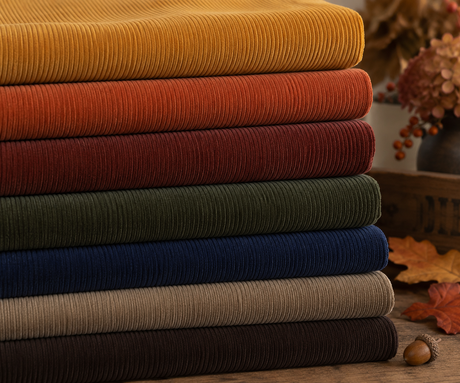

 Midweight Water Resistant Canvas - All Colours
149cm PU coated polyester canvas, 225gsm, water resistant and OEKO-TEX certified.

 Luxury Satin Backed Crepe - Black
Black PU coated polyester satin backed crepe, approx 215gsm with a clean, polished look.
155cm wide, 55% polyester, 45% viscose Ponte Roma jersey fabric with swirls of vibrant colours.

 Landon Smooth Crepe - Grey
Smooth grey polyester crepe with soft drape and a simple, clean finish for garments.

 Liquid - Black
210gsm black satin-backed crepe with a sleek drape, perfect for timeless evening pieces.
 Midweight Water Resistant Canvas - Khaki
Khaki 149cm PU coated polyester canvas, 225gsm, water resistant, OEKO-TEX.
 BB Ponte Roma - Navy
150cm wide, great quality 74% polyester, 23% viscose & 3% elastane Ponte Roma fabric in navy.

 Imperial Night
British black wool blend suiting with a subtle diamond weave and a soft tailored finish.
114cm fox print winceyette, soft brushed cotton blend for cosy nightwear and children’s clothing.

 Of The Earth
Brown check suiting fabric in a polyester viscose blend with elastane, 148cm wide.
Get ready for autumn/winter with our polyester and wool blend coating fabric in black, featuring a large-scale grey over check.

 Roxy Stretch Velvet - Wine
148cm wide, plain 4-way stretch knitted velour, especially good for evening wear. Beautiful quality, wine red stretch velvet dress fabric.
 Double Crepe - Midnight
Superb value, lovely quality, midnight navy polyester and viscose double crepe dress fabric.

 Serena - Ice Blue
Light blue cotton velour fabric, 150cm wide with soft plush finish for loungewear.

 Liquid - Champagne
Warm champagne satin with a gentle sheen, ideal for bridalwear and refined occasion looks.
Blue crinkle seersucker, cotton blend with airy texture and slight stretch for everyday comfort.

 Luxury Satin Backed Crepe - Silver
150cm wide PU coated polyester satin backed crepe in silver, approx 215gsm with sheen.

 Triple Crepe - Forest
Forest green triple crepe, 150cm wide polyester with smooth feel and weighty drape.
157cm wide grosgrain dress fabric. Interesting polyester shirting and trouser fabric with a fine ribbed weave and bright red hue.

 Sicilian Fiesta
124cm wide, Italian black lace fabric with a geometric pattern.
Smooth olive lining with small medallion print.

 Luxury Satin Backed Crepe - Ivory
150cm PU coated polyester satin backed crepe in ivory, midweight 215gsm with soft feel.
Floral jacquard brocade with pastel blooms and metallic detail, 148cm wide and beautifully structured.
Candy pink recycled tweed fabric, 142cm wide with a soft textured finish.

 Triple Crepe - French Navy
French navy triple crepe fabric, 160cm wide with smooth finish and fluid structured drape.

 Monaco Crepe - New Ivory
Clean ivory polyester crepe, 180gsm, balancing structure and drape for refined garments.

 Corin - Fur Backed Faux Leather - Brown
158cm wide, faux leather fabric in brown with a plush fur backing for added warmth and comfort.

 Rain On Me - Soft White
White 150cm PU coated polyester, water-resistant, smooth peachskin reverse, ideal for coats.

 Serena - Black
150cm wide pitch black velour fabric. Soft cotton-blend yarn. Ideal for cosy, knitted loungewear.

 Quilted Crystal - Black
128cm wide black quilted polyester fabric, perfect for autumn jackets, gilets, coats, and bags.
146cm wide, polyester & viscose jacquard lining fabric with a captivating paisley design.

 Tiggy
Tiggy
128cm wide, 100% polyester net sequin fabric in an array of stunning colours.

 Luxury Satin Backed Crepe - Red
Red PU coated polyester satin backed crepe, approx 215gsm with a rich, smooth finish.

 Silver Threads
154cm wide, stretchy polyester Ponte Roma fabric with a black base and silver lurex threads.
Multicolour sparkle tweed fabric with metallic threads, textured weave, 147cm wide.

 Triple Crepe - Navy
Classic navy triple crepe, 155cm wide polyester with structured drape and smooth feel.
Our ex-designer, red satin fabric, made from 100% polyester has been woven in Italy perfect for evening attire.
Deep midnight blue Italian crepe fabric with stretch and excellent shape retention.

 Superior Sweatshirt - Teal Marl
Teal marl sweatshirt fabric, 164cm wide, heavy cotton blend with a soft, cosy brushed feel.
158cm wide, nylon fur-lined diamond quilted fabric in dark navy, with wind & water-resistant finish, ideal for jackets. Made in Italy.
Get 10% off your first order
Be first to see new arrivals and limited fabrics before they sell out.
No spam. Just beautiful fabrics.


